


Design Thinking
Making the Affordable Aspirational: Increasing the Adoption of Frugal Innovations at the Base of the Pyramid
Companies and nonprofits need to be more realistic and empathetic that consumers’ decisions are not purely driven by cost.

Companies and nonprofits need to be more realistic and empathetic that consumers’ decisions are not purely driven by cost.

Many hold strong opinions about translating private-sector experience to social impact. Four pioneering founders have figured out how to make it work.

What drives social change leaders to dedicate their lives to problems larger than themselves? What motivates them to make sacrifices that others are not willing to make?

Mexico’s Pixza began as a social inclusion vehicle for homeless adults through a pizza business. Its evolution demonstrates how social entrepreneurs can leverage purpose to sustain organizations through a crisis and to reengineer business models to foster greater impact.

Social enterprises do more for communities by eschewing the Silicon Valley model.
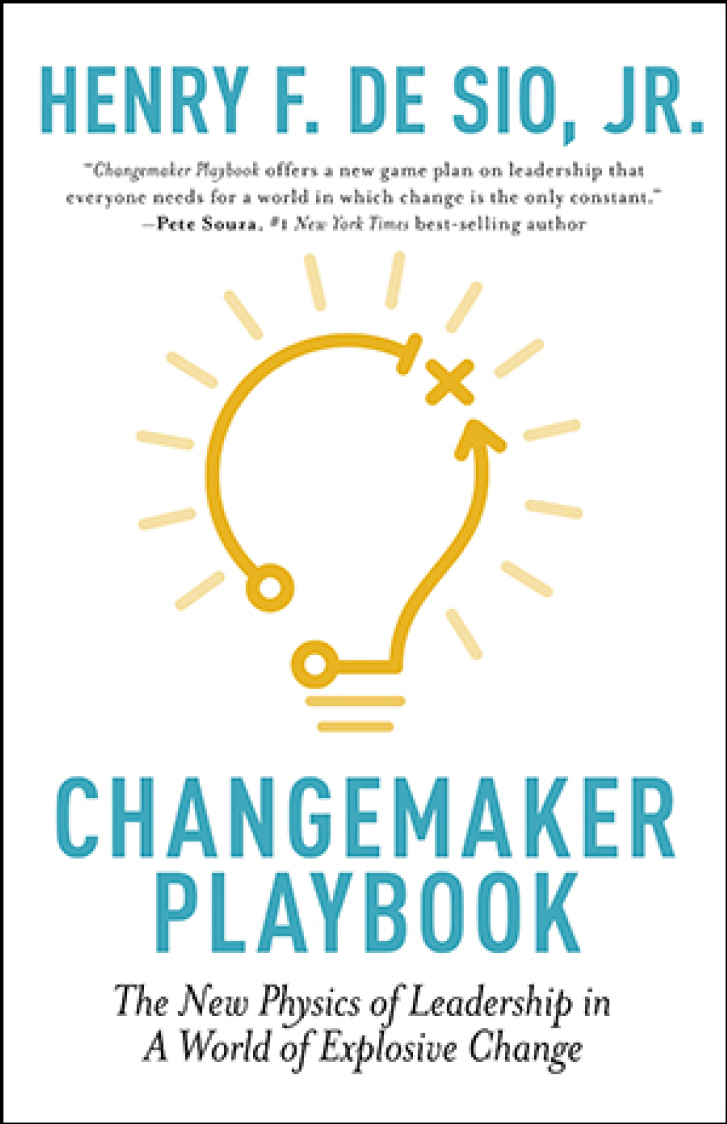
An excerpt from Changemaker Playbook on empathy-based ethics, co-creative teamwork, and clowns.
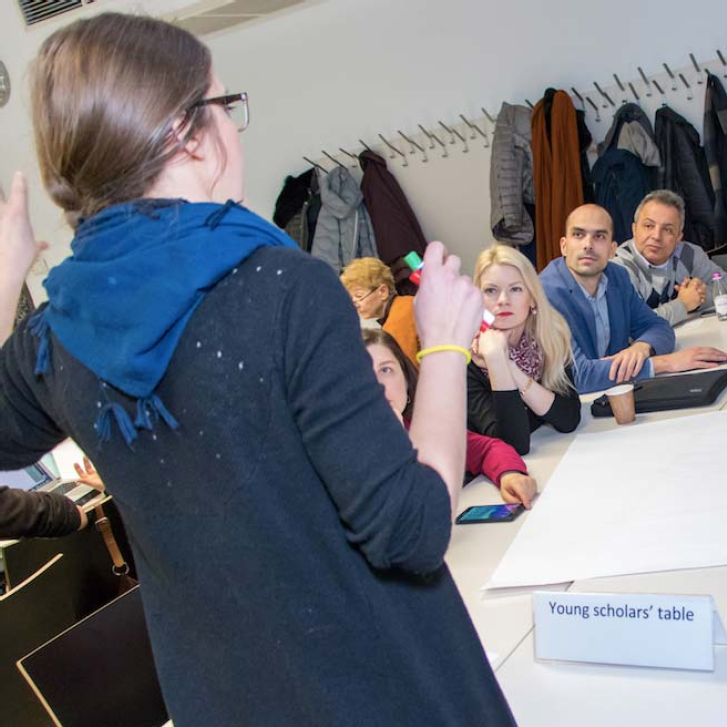
Under the broad umbrella of “the social economy,” research has a major role to play in helping us better understand the strengths and weaknesses of multiple forms of social entrepreneurship.

New laws enabling ordinary people to become equity investors have the potential to uplift marginalized communities, if the new market creates the infrastructure to include them.

The massive growth of commercial franchises like McDonald’s offers inspiration for scaling social impact. Although still very young, social sector franchising is spawning an array of successful enterprises that offer lessons for further expansion.

The social sector will flourish through embracing less patriarchal and more collaborative approaches that focus on long-term systemic change.